Epilepsy is a chronic non communicable disease of the brain that affects more than 50 million people worldwide. It is characterized by recurrent seizures, which are brief episodes of involuntary movement that may involve a part of the body (partial) or the entire body (generalized) and are sometimes accompanied by loss of consciousness and control of bowel or bladder function.
Seizure episodes are a result of excessive electrical discharges in a group of brain cells. Different parts of the brain can be the site of such discharges. Seizures can vary from the briefest lapses of attention or muscle jerks to severe and prolonged convulsions. Seizures can also vary in frequency, from less than 1 per year to several per day.
One seizure does not signify epilepsy (up to 10% of people worldwide have one seizure during their lifetime). Epilepsy is defined as having two or more unprovoked seizures. Epilepsy is one of the world’s oldest recognized conditions, with written records dating back to 4000 BC.
Fear, misunderstanding, discrimination and social stigma have surrounded epilepsy for centuries. This stigma continues in many countries today and can impact on the quality of life for people with the disease and their families.
Terminology and labels to be avoided that may help reduce stigma:
Disorder- epilepsy is a disease, not a disorder.
Illness- epilepsy is a neurological condition, not an illness.
Fit- the term seizure is preferred. There are many different types of seizures. A convulsion is a term for a seizure involving stiffening and jerking of the body. ‘Fit’ implies willful outbursts, like a ‘tantrum’, or loss of emotional control.
Victim or sufferer – this implies someone who is helpless. Most people with epilepsy want your understanding, but not your pity.
Epileptic – the person is a human being first, a person with epilepsy second. A person with epilepsy is a more appropriate term to use. Like most of us, people with epilepsy dislike labels. These feelings can be explained by the phrase ‘epilepsy is what I have, not who I am
First Aid for Seizures
Most Seizures are self -limiting and will stop on their own. Knowing simple first aid steps can help keep a person safe during and after a seizure.
First aid for tonic-clonic seizures
A person will stiffen during a tonic-clonic seizure. This is called tonic stage. If the person is standing they will fall and their breathing temporarily stops.
The next stage is the conic stage where the person starts to jerk. They may make a grunting noise, produce a lot of saliva, bite their tongue and/or empty their bladder and/or bowels. The jerking stops after a couple of minutes.
Because the breathing is affected during a tonic-clonic seizure the skin can become pale and the lips may go blue. Once the seizure has stopped the breathing returns and the color will return to normal. The person will come around slowly. They May feel sleepy and confused afterwards. Some people have a headache or sore arms and legs. It can take time to feel well again.
Signs that a tonic-clonic seizure has stopped are:
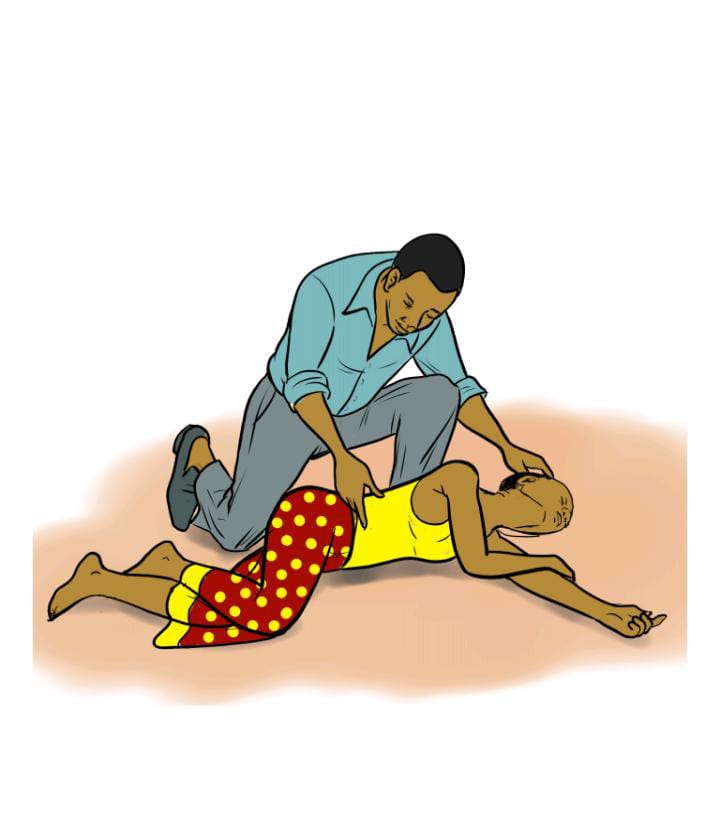
What to do if someone has a tonic-clonic
seizure?
What to do if someone has a tonic-clonic
seizure?
What to do if someone has a tonic-clonic
seizure?
Some people with epilepsy will have a care plan or epilepsy profile. This will have detailed information about their seizures and information on how best to support the person. You can refer to this during a seizure
When to call an ambulance or rush the person to the nearest hospital
This is the persons first seizure as far as you are aware
The person has injured themselves beyond first aid
You suspect they may have inhaled food or liquid
The jerking lasts for five minutes or a longer time than is usual for that person
One seizure follows another with no recovery time in between
The person is having problems breathing after the seizure
Treatment
There is no known cure for epilepsy, developments in treatment have made it possible for most people to achieve seizure control. The first treatment step is usually to find the right medicine or Anti-Seizure Medication (ASM).
There are different Anti-seizure medication that can stop or prevent seizures. Anti-seizure medications successfully control seizures for about 70% of people with epilepsy.